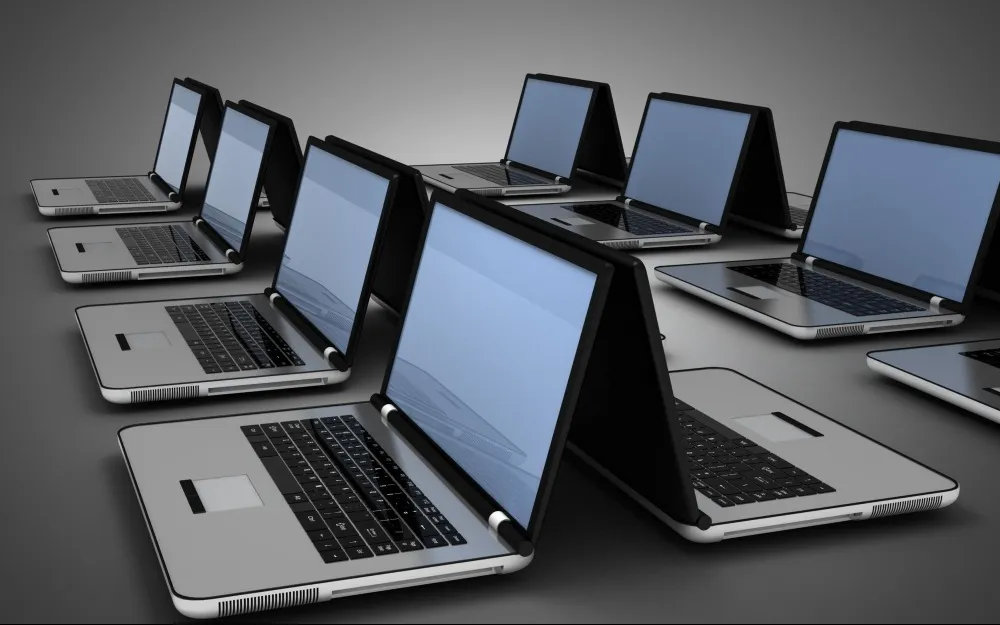
Technology requirements inside a business rarely remain fixed. A company may need ten laptops today, fifty for a new project next month, and additional systems during recruitment, training, audits, or temporary assignments. Buying equipment for every short-term requirement can leave organisations with unused devices once the workload changes.
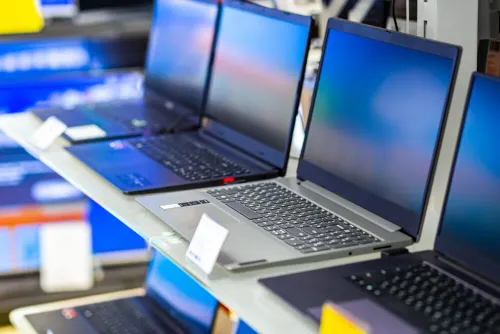
This is one reason Laptop Rental Services in Delhi are increasingly relevant for organisations that want access to workplace technology without permanently expanding their hardware inventory.
For businesses operating across Delhi and the wider National Capital Region, rental arrangements can be particularly useful when workforce size, project duration, or technology specifications are likely to change.
When Does Renting Laptops Make Practical Sense?
Laptop rental is not limited to companies that cannot purchase computers. Established businesses may also rent equipment because ownership is not always the most practical choice.
Common situations include:
- Temporary project teams
- Employee onboarding
- Corporate training programmes
- Conferences and business events
- Work-from-home requirements
- Seasonal workforce expansion
- Short-term branch operations
- Examination or educational programmes
- Software testing projects
- Business continuity requirements
A company hiring 30 employees for a six-month project, for example, may not want 30 additional laptops remaining in inventory when the assignment ends.
Rental allows the equipment requirement to follow the actual duration of the work.
Rental Can Improve Hardware Planning
Purchasing laptops involves more than the initial acquisition cost. Businesses also need to consider storage, inventory control, maintenance, repairs, device allocation, replacement cycles, and eventual disposal.
With rental equipment, organisations can plan around a defined period of use instead.
This can be particularly helpful for startups and project-based businesses in Delhi where team sizes may expand quickly. Rather than forecasting hardware requirements several years ahead, the organisation can arrange equipment according to present operational needs.
Specifications Still Matter When Renting
A rental laptop should be selected according to the work employees will perform.
Basic office applications may require a different configuration from software development, graphic design, data processing, engineering applications, or resource-intensive business software.
Before choosing equipment, determine:
- Required processor level
- RAM requirements
- Storage capacity
- Operating system requirements
- Screen size
- Connectivity requirements
- Required accessories
- Expected rental duration
The cheapest available configuration is not necessarily economical if slow performance affects employee productivity.
Similarly, paying for unnecessarily powerful systems may increase expenditure without providing a meaningful operational benefit.
Short-Term and Long-Term Requirements Need Different Planning
A laptop required for a three-day event presents a very different rental scenario from equipment required for twelve months.
For short assignments, delivery timing, setup readiness, and collection arrangements may be particularly important.
For longer deployments, businesses should pay closer attention to equipment condition, service support, replacement procedures, configuration consistency, and how changes in workforce numbers will be managed.
Clear planning at the beginning can prevent unnecessary changes after deployment.
Consider the Entire Deployment Process
Organisations should also think beyond the number of laptops required.
Questions worth clarifying include:
- Where will the systems be delivered?
- Are all employees working from one office?
- Is installation or configuration required?
- What happens if a device develops a hardware problem?
- Can additional systems be added later?
- How are devices returned at the end of the rental period?
- Are accessories included in the agreed configuration?
These operational details can matter just as much as hardware specifications.
Rental Is Ultimately About Flexibility
The main advantage of laptop rental is not simply avoiding a purchase. It is the ability to match IT resources more closely with actual business activity.
Delhi has a diverse business environment that includes corporate offices, educational institutions, BPO operations, startups, training centres, government organisations, and project-based enterprises. Each can experience temporary or fluctuating technology requirements.
Providers such as Amage Infotech Systems serve this type of rental requirement by helping organisations access laptops according to their deployment needs and rental period.
For businesses evaluating rental versus purchase, the useful question is therefore not only, “What does a laptop cost?” It is also, “How long will we need this equipment, how many users need it, and what happens when the requirement changes?”
Answering those questions first makes IT hardware planning considerably more practical.
Keywords