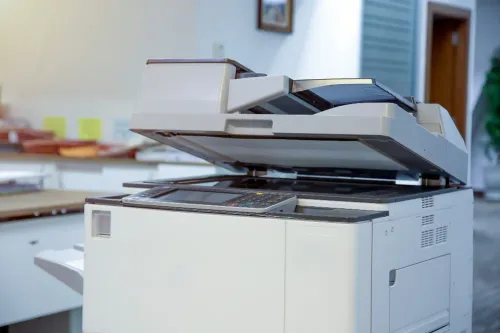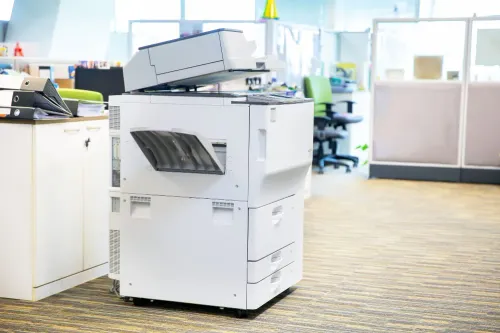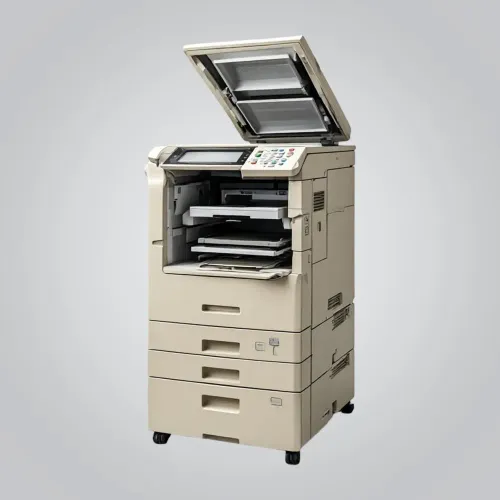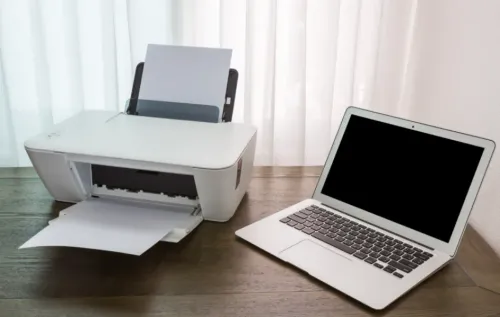
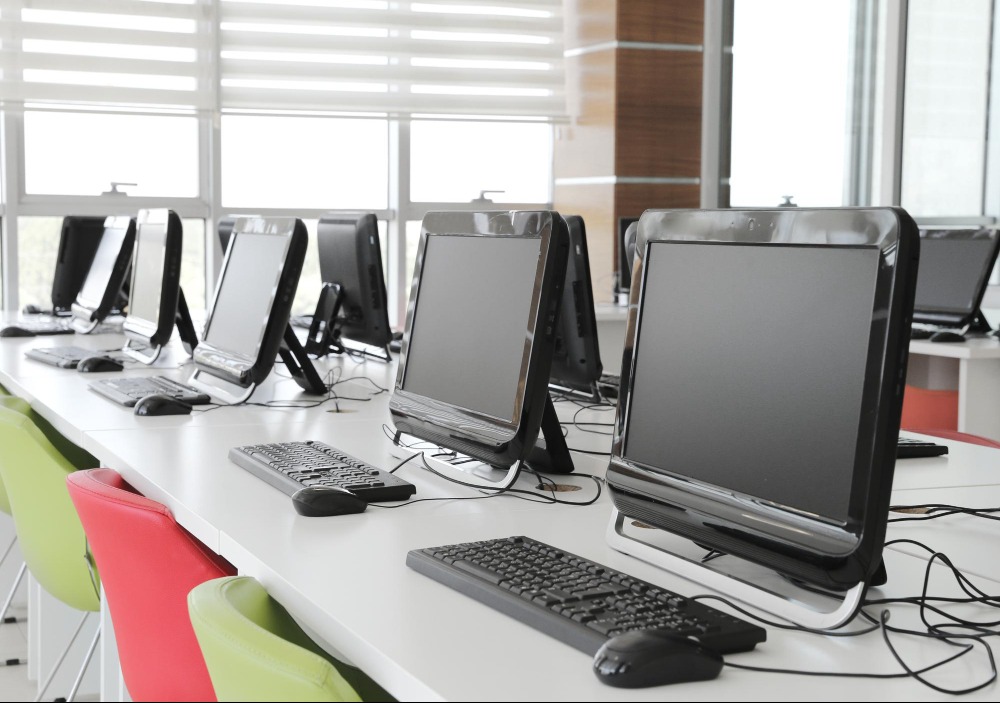
A corporate IT deployment can involve much more than laptops. New offices, temporary project teams, training programmes, business events, and workforce expansions may require computers, printers, photocopiers, accessories, and supporting equipment to arrive within the same operational window.
For organisations evaluating Corporate IT Equipment Rental in Delhi NCR, deployment readiness should be assessed before hardware is ordered.
The following checklist can help procurement, administration, IT, and operations teams coordinate larger requirements more effectively.
Define the Business Requirement
Start by documenting why the equipment is required.
The answer may be:
- New employee onboarding
- Temporary project expansion
- New branch setup
- Training programme
- Event or conference
- Business continuity requirement
- Contract workforce deployment
- Short-term client assignment
- Educational programme
The reason influences the quantity, duration, configuration, and urgency of the deployment.
Create a Complete Equipment List
Avoid treating different equipment categories as separate problems if they are part of the same workplace setup.
Prepare quantities for:
- Laptops
- Desktop computers
- Monitors
- Printers
- Multifunction printers
- Photocopiers
- Keyboards and mice
- Chargers
- Other required accessories
Then classify each item according to user group or department.
Confirm Technical Specifications
Generic descriptions such as “business laptop” or “office desktop” leave too much room for interpretation.
Specify minimum requirements where they matter.
For computers, this can include processor, RAM, storage, operating system, screen size, and application requirements.
For printers and copiers, define expected page volume, colour requirements, paper sizes, scanning functions, and number of users.
Prepare the Deployment Locations
Delhi NCR deployments can span Delhi, Gurugram, Noida, Greater Noida, Faridabad, Ghaziabad, and Manesar.
If equipment is going to several locations, create a site-wise allocation.
Each location should include:
- Delivery address
- Site contact
- Equipment quantity
- Access timings
- Installation requirements
- Deployment date
- Collection expectations
This reduces the risk of equipment being sent to the wrong team or location.
Coordinate With Employee Joining Dates
Hardware should ideally be ready before employees need to begin productive work.
Procurement delays can leave new hires waiting for systems, while equipment delivered too early may require unnecessary storage and internal management.
Align rental deployment with actual onboarding or project dates.
Establish a Fault Management Process
Large deployments inevitably require a clear process for handling individual device issues.
Employees should know whom to contact internally, while IT or administration teams should understand how cases are escalated to the rental provider.
Centralising fault reporting can make larger fleets easier to manage.
Review Commercial Terms Carefully
Before approving the rental, verify:
- Rental period
- Billing basis
- Equipment quantities
- Configuration
- Usage conditions where relevant
- Maintenance arrangements
- Consumable terms for printing equipment
- Damage conditions
- Extension procedures
- Return and collection process
Commercial clarity is especially important when multiple equipment categories are included in one deployment.
Assess Whether the Provider Fits the Scale
A corporate rental requirement should be discussed as an operational deployment, not merely as an individual product enquiry.
Businesses evaluating Amage Infotech Systems can provide their complete requirement so the discussion covers the mix of laptops, desktops, printers, photocopiers, locations, quantities, and rental periods involved.
A well-prepared requirement also makes competing proposals easier to compare.
Final Readiness Check
Before approving deployment, confirm that the organisation knows:
- What equipment is required
- Who will use it
- Where it will be delivered
- When it must become operational
- How long it is required
- What technical specifications are necessary
- How faults will be handled
- How equipment will be returned
Corporate IT rental works most effectively when hardware planning follows business operations closely. For organisations across Delhi NCR, completing these checks before finalisation can make large deployments considerably more controlled and predictable.
Keywords