

Office printing requirements vary widely from one business to another. Some organizations need high-speed document production, while others prioritize scanning, copying, or secure network printing. Purchasing office equipment without fully understanding these requirements can lead to unnecessary expenses and underutilized resources. This is why many organizations consider copier and printer rental solutions in Manesar before making long-term technology investments.
Rental services allow businesses to select equipment that matches current operational needs while retaining the flexibility to adapt as requirements change.
Understanding Your Office Requirements
The first step in choosing a rental solution is evaluating your actual printing needs.
Consider questions such as:
- How many employees will use the equipment?
- What is the expected monthly print volume?
- Are color prints required?
- Will documents need scanning and copying?
- Is secure network printing necessary?
Clear answers make equipment selection much easier.
Types of Equipment Available
Rental providers typically offer a variety of business printing solutions.
These may include:
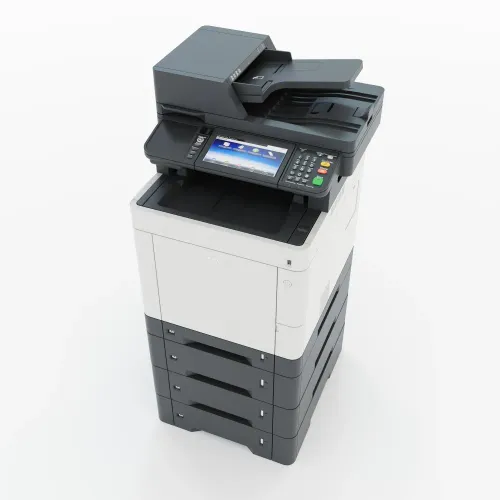
- Multifunction printers
- High-speed photocopiers
- Color laser printers
- Network printers
- Heavy-duty office copiers
- Compact business printers
Selecting the right device depends on both workload and document complexity.
Comparing Rental and Ownership
Before deciding, businesses should compare the two approaches.
Purchasing
Advantages include complete ownership and unrestricted use.
However, ownership also involves:
- High upfront investment
- Maintenance expenses
- Equipment depreciation
- Technology obsolescence
- Repair management
Renting
Rental agreements provide:
- Lower initial costs
- Flexible contracts
- Maintenance support
- Easy equipment upgrades
- Faster replacement when required
For many growing organizations, these operational benefits outweigh ownership.
Important Features to Evaluate
Not all office equipment offers the same capabilities.
Pay attention to:
Printing Speed
Choose equipment suitable for your daily workload.
Copy Resolution
High-quality copies are important for contracts, presentations, and technical documentation.
Connectivity
Modern offices benefit from Wi-Fi, Ethernet, and mobile printing compatibility.
Paper Capacity
Large paper trays reduce interruptions during busy workdays.
Service Support
Reliable maintenance and technical assistance are essential for minimizing downtime.
Avoiding Common Rental Mistakes
Businesses sometimes make avoidable decisions when selecting rental equipment.
Some common mistakes include:
- Renting equipment that exceeds actual requirements
- Ignoring future business expansion
- Focusing only on rental cost
- Overlooking service agreements
- Not checking equipment replacement policies
Careful planning helps maximize long-term value.
Why Scalability Matters
Business needs rarely remain constant.
Rental solutions allow organizations to:
- Upgrade equipment
- Increase capacity
- Add additional devices
- Support temporary projects
- Expand to new office locations
This flexibility is difficult to achieve through ownership alone.
Integrating Printing with Business Technology
Organizations implementing ERP software, document management systems, workflow automation, or cloud-based business applications continue to rely on dependable office printing infrastructure. Companies such as Amage Infotech Systems support businesses adopting digital technologies while recognizing the continued importance of efficient printing and document management within modern workplaces.
Final Thoughts
Copier and printer rental solutions provide businesses with a flexible, cost-effective approach to managing office document requirements. Instead of making significant capital investments, organizations can access modern equipment that grows alongside their operational needs.
For businesses across Manesar, rental solutions offer an efficient way to improve productivity, simplify equipment management, and maintain financial flexibility while supporting long-term business success.